A lipoma is a soft, fatty lump that can grow under your skin, below your muscles, or within deeper tissues, either singly or in multiple numbers. It’s made up of fat cells and feels smooth, rubbery, and moves easily (under your skin) when you press it. Lipomas are benign (non-cancerous), usually small (less than 2 inches wide), painless and harmless, and have a propensity to grow slowly. Very rarely, a lipoma can turn into a cancerous swelling called liposarcoma.
Excision (removal) of a lipoma is a minor surgical procedure for complete removal of the lipoma. Though lipomas are usually harmless and painless, some people might choose to get them removed because they grow large, sometimes cause discomfort, may become painful, or for cosmetic reasons (bumpy and uneven appearance).
During the surgery, your plastic surgeon makes a small incision (cut) over the lipoma, dissects and removes the lump of fatty tissue, and stitches the incision. The procedure is usually done under local anesthesia, and you can go home within half an hour after the surgery is over. Surgery is a safe and effective way to completely remove lipomas.
Yes, lipomas are the most common type of soft tissue lump found below the skin.
According to studies, the occurrence of lipoma is 2.1 per 1,000 people. Anyone can develop a lipoma, but they are more often seen in adults between 20 and 50 years old & in women. Some people may have just one lipoma, while others might have multiple of them. Lipomas usually run in families, so if someone in your family has them, you might be more likely to get them too.
1. Conventional (Classic) Lipoma: This is the most common type, made entirely of mature white fat cells. It feels soft, rubbery, and moves easily under the skin. Classic lipomas are usually painless and grow slowly, often found on the neck, shoulders, back, arms, or thighs.
2. Fibrolipoma: Fibrolipomas contain both fat and fibrous connective tissue, making them feel firmer compared to a regular lipoma. They can appear anywhere on the body and are harmless, but their firmness can make them feel different from classic lipomas.
3. Angiolipoma: These lipomas are made of fat cells and many small blood vessels. Unlike most lipomas, angiolipomas often cause pain or tenderness, especially when pressed. They are commonly seen on the forearms of young adults and may appear as multiple small lumps.
4. Intramuscular (Infiltrating) Lipoma: These lipomas grow within muscles and can spread into surrounding muscle tissue. They feel deep and firm as compared to surface lipomas and may cause discomfort or limited movement, affecting muscle function. Surgical removal is required, but there is a risk of recurrence if not completely removed.
The exact cause of lipoma isn’t fully understood, but here are some possible causes:
You might choose to have a lipoma removed if:
Many lipomas are small, painless, and harmless. If they’re not causing discomfort, pain, or cosmetic concerns, doctors often suggest leaving them alone. Regular monitoring is recommended to check if they grow or change, but in most cases, they remain stable for years without causing any issues.
This is the most common and effective treatment if the lipoma is painful, growing, pressing on nerves, restricting movement, or causing cosmetic concerns. The surgeon makes an incision over the lipoma and removes it entirely. It is usually done under local anesthesia & its complete removal generally prevents recurrence.
Liposuction is used for larger subcutaneous (below the skin) lipomas. It involves making a small incision and inserting a thin, hollow tube (cannula) to suck out the fatty tissue. To facilitate the suction of fat, a significant amount of fluid is inserted with pressure inside the lipoma, prior to suction, which is called infiltration. Infiltration fluid is mixed with a local anesthetic solution for pain relief and a drug called adrenalin which helps in minimizing the blood loss. After 10 -15 minutes of infiltration, suction is performed, and thus, the complete process of liposuction (infiltration + suction) comes to an end. But, even after very good liposuction of a lipoma, the capsule of the lipoma and its intervening fibrous septa remain inside, which are removed by slightly enlarging the liposuction incision, followed by dissection and removal of all septa and capsule. The ultimate scar left after the procedure of complete removal is comparatively very small in size (compared to the size of the lipoma), and with the passage of time, it becomes negligible.
This is a less common option. Steroid injections can help shrink the lipoma by reducing its size, especially if it is small. However, this treatment does not completely remove the lipoma, and it can lead to atrophy (shrinkage) of surrounding normal fat, leading to aesthetic deformity, and is generally not preferred.
Wound Care: Keep the surgical site clean and dry. Follow your doctor’s instructions on how to clean the area and change dressings if needed. Avoid getting the wound wet until instructed by your plastic surgeon.
Pain Management: Mild pain or soreness is normal. Analgesic (painkiller) drug will be prescribed to you, and necessary instructions will be given for the use of the drug at home.
Activity Restrictions: Avoid heavy lifting, strenuous activities, or exercises that might stretch or put pressure on the stitches for a few days. Light activities are allowed, but when in doubt, always ask your operating plastic surgeon.
Watch for Infection: Watch for signs of infection like redness, swelling, increased pain, warmth, pus, or fever for the initial 3 - 5 days after the surgery. If you notice any of these, contact your plastic surgeon immediately.
Stitches Removal: If non-dissolvable stitches were used, you’ll need a follow-up visit to get them removed — usually within 7 – 8 days.
Scar Care: Once healed, you can gently massage the scar area with moisturizer cream or use special scar-modifying products prescribed by your plastic surgeon to help reduce scarring. Sun protection is also important to prevent the scar from becoming pigmented (dark).
Follow-Up Appointment: Normally, two follow-up visits are scheduled in the first week after surgery. Your plastic surgeon will advise you regarding further and long-term follow-up for scar management.
Lipomas are usually idiopathic (without cause) or sometimes caused by genetic factors, so there is no specific way to prevent them from happening. Because they often run in families, meaning if your parents or siblings have lipomas, you have a higher chance of lipoma than a normal individual.
Although there are some tips that you need to keep in mind:
After treatment, you can expect a smooth recovery with no or minimal issues. Surgery removes the lipoma completely, relieving any pain, discomfort, or cosmetic concerns. You may have a small scar at the removal site, but the lipoma very rarely comes back if fully removed. Most people return to their normal activities within a couple of days.
At Cutis Hospital, we know that living with a lipoma can affect your comfort, confidence, and daily life. That’s why we focus on more than just removing the lump – we provide thorough evaluation, expert surgical care, and a treatment plan customized to your unique condition. Our goal is to ensure you feel comfortable, safe, and confident with your results.
Specialized Expertise in Treating Lipomas
Our team of Plastic surgeons has extensive experience in diagnosing and treating all types of lipomas, whether they are small, large, deep under the skin, or multiple. We evaluate each case thoroughly to plan the safest and most effective treatment, ensuring complete removal and reducing the risk of recurrence.
Highly Skilled Surgical Team
Led by Dr. Chintan Patel, an experienced plastic surgeon, our surgical team performs lipoma removal procedures with precision and care. Their expertise and ability to use magnification for lipoma removal and use of the liposuction technique for large lipomas ensure minimal scarring, quicker recovery, and the best possible cosmetic outcomes for every patient with lipoma, irrespective of its size, type, anatomical location, or number of lipomas.
Comprehensive Treatment and After-Care
We provide end-to-end treatment solutions, starting from detailed diagnosis and personalized surgical planning to safe removal procedures and dedicated after-care. Our team closely monitors your recovery and guides you with proper wound care and follow-up to ensure smooth healing.
Patient-Focused and Compassionate Environment
At Cutis Hospital, we treat every patient with empathy and respect. Our staff creates a welcoming and comfortable environment where you feel heard, cared for, and confident about your treatment journey from consultation to recovery.
Book your consultation with our expert surgical team today for end-to-end diagnosis & further professional assistance.


Best hospital for cosmetic surgery in Ahmedabad. Dr. Chintan Patel guided really well regarding my issues related to Lipomas and the surgery for the same was done in a very patient friendly way. The results after lipoma surgery are very satisfying. I would recommend Dr Chintan Patel and Cutis Hospital for every cosmetic related issues.
I would like to thank Dr. Chintan Patel and his team for helping me through out my surgery. I have a lipoma on the back side,I'been taken care of very nicely.The staff there and their support is immense. They really took good care of my wound while cleaning. Hospital is properly maintained..clean and very calm atmosphere makes you feel at home. Thank you Dr Chintan Patel and Staff.i attached some images Hospital like Home.
I would like to thanks Dr Chintan Patel and Cutis Hospital entire staff for taking care of me during Multiple lipoma removal surgery. Within 24 hours, I was releived from hospital. I would recommend to all lipoma patients that this is the best place to remove all your lipomas and that too with reasonable rates.. The results are really very good and with minimum incision all big lipomas were removed... Thanks again to you Doctor Chintan Patel and entire staff once again.
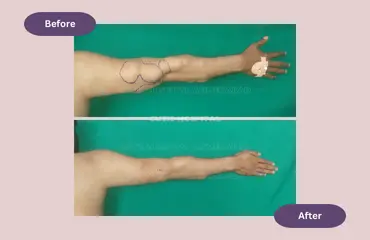
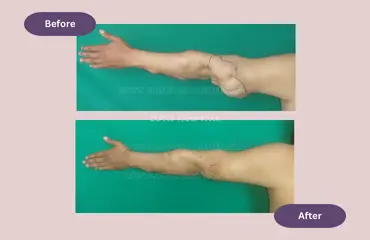
Lipoma removal is a minor surgical procedure usually done under local anesthesia, so you won’t feel pain during the surgery. Mild discomfort or soreness may occur after the procedure, but it is manageable with prescribed painkillers. Very deep lipoma or multiple lipoma require general anesthesia for removal.
Recovery is generally quick. Most patients return to normal activities within a day or two, depending on the lipoma’s size and location. Though suture removal and healing process is completed in a week, complete internal healing of the operated area may take 3 to 6 weeks.
Once a lipoma is completely removed, it usually does not come back in the same spot. However, if you have a tendency to develop lipomas, new ones can appear elsewhere on your body over time.
Yes, there will be a small scar where the incision is made, but our expert surgical team of plastic surgeons ensures minimal scarring with precise techniques for the best cosmetic outcome. Some good quality scar reduction products are available, which will be prescribed to you along with proper guidance to use them.
If the lipoma causes pain, discomfort, or functional issues, insurance often covers its removal. However, if it’s removed only for cosmetic reasons, it may not be covered. Our team at Cutis Hospital can guide you on insurance queries during your consultation.
Yes, lipoma removal is typically a day-care procedure. You can go home after a short observation period on the same day unless advised otherwise for medical reasons.
No. Lipomas are benign and do not turn into cancer. However, if a lump grows rapidly, becomes painful, or feels hard, it’s important to get it checked on an urgent basis to rule out other conditions like liposarcoma.
You can call our reception, book online through our website, or visit our hospital directly to schedule your consultation with our expert surgical team.
Cutis Hospital is conveniently located in Ghatlodia, Ahmedabad, making it easily accessible via multiple modes of transportation. Below are the various ways you can reach our facility:
Sardar Vallabhbhai Patel International Airport: Located approximately 12.7 km from Cutis Hospital, offering convenient access for patients traveling from outside the city.
Chandlodiya Railway Station: Approximately 2.4 km from Cutis Hospital.
Ahmedabad Railway Station: Around 11 km from our center.
GSRTC:
Ahmedabad Central Bus Station (GSRTC): About 10.3 km from the hospital.
AMTS:
Bhuyangdev Cross Road Bus Stop: Just 500 meters from Cutis Hospital.
BRTS:
Bhuyangdev BRTS Bus Stop: Only 170 meters from our center.
We provide effective surgical and non-surgical treatments for all parts of the body. At Cutis Hospital, our cosmetic and plastic surgery team is committed to giving patients safe and high-quality care.